
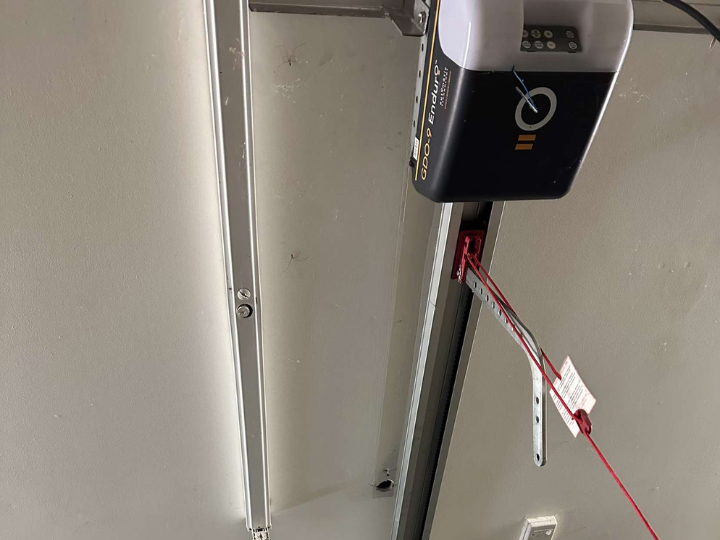
Understanding Garage Door Servicing Requirements in Melbourne
Does your garage door groan, stick, or struggle to open smoothly? You’re not alone—many Melbourne homeowners wonder when their garage door actually needs professional servicing. Regular maintenance isn’t just about preventing that dreaded morning when your car gets trapped; it’s about safety, security, and avoiding expensive emergency repairs. This comprehensive guide reveals exactly how often you should service your garage door in Melbourne’s unique climate, what maintenance involves, and how proper servicing saves you money in 2025.
Most garage doors require professional servicing every 12 months for optimal performance and longevity. However, several factors specific to Melbourne properties affect this timeline:
High-use doors (opening 4+ times daily) benefit from bi-annual professional servicing—once before winter and again in spring. This schedule addresses Melbourne’s temperature variations that affect door components differently throughout the year.
Commercial properties and shared garages need quarterly professional inspections due to increased wear from multiple daily operations. Residential doors in coastal suburbs like Brighton or St Kilda require more frequent servicing (every 6-9 months) due to salt air accelerating corrosion.
Whilst professional servicing remains essential, performing basic maintenance every 3 months extends your door’s lifespan:
These simple tasks take just 20 minutes but prevent minor issues from becoming major repairs.
Garage doors weigh between 150-200 kilograms—that’s equivalent to a small motorcycle suspended above your family and vehicles. Worn springs or cables can snap without warning, causing serious injury or property damage. Regular servicing identifies weakening components before catastrophic failure occurs.
Professional technicians test auto-reverse mechanisms and sensor alignment during each service. These safety features prevent the door from closing on people, pets, or objects. Statistics show properly maintained doors reduce accident risks by up to 75%.
Consider these cost comparisons for Melbourne homeowners:
Regular servicing typically extends garage door lifespan from 10-15 years to 20-25 years. That’s potentially $1,500+ saved by delaying replacement, plus avoiding multiple emergency repair call-outs.
Real estate agents confirm that well-maintained garage doors significantly impact property appeal. A smooth, quiet-operating door during inspections creates positive first impressions. Conversely, squeaky or malfunctioning doors raise concerns about overall property maintenance, potentially affecting sale prices by 1-2%.
Don’t wait for your annual service if you notice:
These indicators suggest components need urgent attention before complete failure occurs.
Schedule immediate servicing when experiencing:
Garage doors need more frequent servicing as they age:
Older doors require increased attention as components wear simultaneously, creating compound problems if neglected.
Professional technicians in Melbourne follow systematic inspection procedures:
Structural Components
Mechanical Systems
Automated Features
During servicing, technicians perform critical adjustments:
High-quality lubricants get applied to:
Experienced technicians identify parts approaching failure:
Early replacement during routine servicing costs significantly less than emergency repairs.
Melbourne’s variable weather creates unique maintenance challenges:
Summer Heat (December-February)
Winter Cold (June-August)
Spring Storms (September-November)
Properties in bayside suburbs face additional challenges:
Inland areas like Thomastown or Craigieburn experience less corrosion but face temperature extremes requiring different maintenance approaches.
Perform these quick tests monthly:
Auto-Reverse Test Place a brick or timber piece in the door’s path. The door should reverse immediately upon contact. If not, disconnect the opener and call professionals immediately.
Balance Test Disconnect the automatic opener and manually lift the door halfway. It should stay in position without rising or falling. Imbalanced doors strain motors and require professional adjustment.
Visual Inspection Look for obvious damage, loose hardware, or worn components. Check cables for fraying—never attempt cable repairs yourself due to extreme tension dangers.
Lubrication Schedule Apply white lithium grease or silicone spray to:
Never lubricate tracks—this attracts dirt and impedes roller movement.
Cleaning Requirements
Hardware Tightening Check and tighten:
Never attempt these repairs yourself:
Reputable garage door service providers demonstrate:
Basic Service ($150-$200)
Comprehensive Service ($200-$300)
Premium Service ($300-$400)
Before booking, clarify:
Without Regular Servicing:
Total 10-year cost: $8,000-$17,000
With Regular Servicing:
Total 10-year cost: $5,000
Savings: $3,000-$12,000 over 10 years
Many home insurance policies offer premium discounts for documented maintenance schedules. Additionally, manufacturer warranties often require regular servicing for validity. Check your specific policies—potential savings include:
Certain scenarios demand increased service frequency:
Properties near these locations need extra attention:
WiFi-enabled doors with smartphone control require additional servicing:
These systems need technical servicing every 6 months alongside mechanical maintenance.
Service appointments provide upgrade opportunities:
Regular garage door servicing should integrate with overall property maintenance. Schedule it alongside:
Creating a maintenance calendar ensures nothing gets forgotten whilst potentially negotiating package deals with service providers.
Your garage door needs professional servicing at least annually, with high-use or coastal doors requiring bi-annual attention. Between professional visits, simple monthly checks and quarterly maintenance tasks keep your door operating smoothly. Regular servicing isn’t an expense—it’s an investment saving thousands in emergency repairs whilst protecting your family’s safety.
Melbourne’s climate variations and your specific usage patterns might require adjusted servicing schedules. Properties over 10 years old, coastal locations, or doors opening more than four times daily benefit from increased professional attention. Remember, attempting complex repairs yourself risks serious injury and voids warranties.
Ready to schedule your garage door service in Melbourne? With over 20 years of experience and 190+ five-star reviews, Melbourne Garage Door Repairs provides comprehensive servicing across all metropolitan suburbs. Our technicians perform thorough 25-point inspections, ensuring your door operates safely and efficiently. request a free quote online or call 1300 606 677 for same-day appointments. Don’t wait for problems to develop—proactive servicing today prevents costly repairs tomorrow.
With over two decades of industry experience, we have gained valuable insights into what it takes to provide exceptional service and the qualities that customers value the most.

After Hours & Emergency Rates Apply. $199+ GST Call Out Fee Effective from 8am – 5pm (Monday – Friday)
© Copyright 2024
MELBOURNE GARAGE DOOR REPAIRS PTY. LTD. | ABN 17 614 265 351
All rights reserved.